
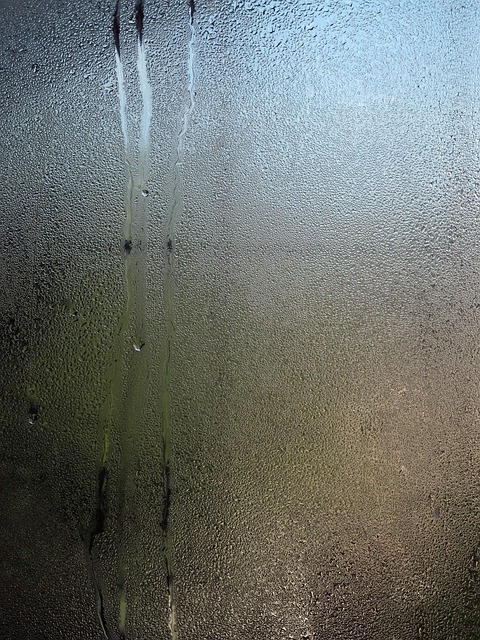
Preventing Mold Growth in Humid Climates
Mold growth is a pervasive issue in humid climates, posing significant health risks and causing substantial property damage. In states like Florida, where high humidity levels prevail, preventing mold becomes a critical aspect of maintaining a healthy and safe living environment. This comprehensive guide explores effective strategies to prevent mold growth, ensuring your home remains mold-free despite the challenging climate.
Understanding Mold Growth
Mold is a type of fungus that thrives in moist environments. It reproduces by releasing tiny spores into the air, which can settle on surfaces and flourish under the right conditions. While mold is a natural part of the environment, excessive growth can lead to structural damage and health issues such as allergies, asthma, and respiratory infections.
The Mold Lifecycle
Mold’s lifecycle begins with spores dispersed into the air. When these spores land on a damp surface, they begin to grow and multiply, forming colonies. To prevent mold growth, it is essential to disrupt this lifecycle by controlling moisture and reducing potential breeding grounds.
The Impact of Humidity on Mold
Humidity plays a pivotal role in mold development. High humidity provides the moisture necessary for mold spores to thrive. In humid climates like Florida, maintaining optimal indoor humidity levels is crucial in preventing mold growth.
Ideal Humidity Levels
- Indoor Relative Humidity (RH): Aim to keep indoor RH between 40-50% Crawl Spaces: Maintain slightly lower humidity levels to inhibit mold growth in these vulnerable areas.
Exceeding these humidity levels creates an environment conducive to mold proliferation, making it imperative to monitor and control indoor moisture effectively.
Identifying Common Mold-Prone Areas
Certain areas in a home are more susceptible to mold growth due to higher moisture levels and limited ventilation. Identifying these hotspots allows for targeted prevention measures.
Key Areas to Monitor
- Bathrooms: High humidity from showers and baths can lead to mold on walls, ceilings, and fixtures.
- Kitchens: Cooking activities generate moisture, making cabinets and countertops potential mold sites.
- Crawl Spaces: These areas often have poor ventilation and can accumulate moisture from the ground.
- Attics: Insufficient ventilation can cause condensation, promoting mold growth on rafters and insulation.
- Windows and Doors: Leaks and condensation around frames can provide moisture for mold.
Preventative Measures
Implementing effective preventative measures is essential in combating mold growth. The following strategies focus on controlling moisture, enhancing ventilation, and maintaining a mold-resistant environment.
1. Controlling Humidity Levels
Maintaining appropriate humidity levels is fundamental in preventing mold. Utilize the following techniques to regulate indoor humidity:
- Use Dehumidifiers: Install dehumidifiers in damp areas to reduce moisture levels.
- Air Conditioning: AC units help reduce indoor humidity by cooling the air and removing excess moisture.
- Monitor Humidity: Employ hygrometers to regularly check indoor humidity levels.
2. Proper Ventilation
Adequate ventilation ensures that moisture is effectively expelled, preventing the accumulation that fosters mold growth.
- Exhaust Fans: Install exhaust fans in bathrooms and kitchens to remove humid air.
- Ventilate Attics and Crawl Spaces: Ensure these areas have proper airflow to prevent moisture buildup.
- Open Windows: When weather permits, open windows to promote air circulation.
3. Regular Maintenance
Routine maintenance helps identify and address issues that could lead to mold growth.
- Inspect for Leaks: Regularly check roofs, windows, and plumbing for leaks and repair them promptly.
- Clean Gutters: Ensure gutters are free from debris to prevent water overflow and damage to the building structure.
- Maintain HVAC Systems: Clean and service heating, ventilation, and air conditioning systems to ensure they function efficiently.
4. Waterproofing Basements and Crawl Spaces
Prevent moisture from seeping into basements and crawl spaces by implementing waterproofing measures.
- Seal Cracks and Gaps: Use waterproof sealants to close any openings in walls and floors.
- Install Vapor Barriers: Place vapor barriers on floors and walls to prevent moisture penetration.
- Improve Drainage: Ensure the ground around the foundation slopes away to divert water away from the building.
5. Using Mold-Resistant Materials
Incorporating mold-resistant materials during construction or renovations can significantly reduce the risk of mold growth.
- Mold-Resistant Drywall: Use specially treated drywall that resists mold infiltration.
- Paints with Mildewcide: Opt for paints that contain mildewcides to inhibit mold growth on painted surfaces.
- Non-Wood Building Materials: Consider materials like metal or plastic for areas prone to mold growth
Monitoring and Detection
Early detection is key to preventing extensive mold problems. Implementing regular monitoring practices can help identify mold issues before they escalate.
Signs of Mold Presence
- Visible Mold Growth: Black, green, or white spots on walls, ceilings, or other surfaces.
- Musty Odors: Persistent damp, earthy smells can indicate hidden mold.
- Health Symptoms: Frequent allergies, sneezing, or respiratory issues without an apparent cause.
Detection Tools and Techniques
- Professional Inspections: Hire certified mold inspectors to perform thorough evaluations of your property.
- Infrared Cameras: These can detect moisture behind walls and ceilings where mold may be growing.
Professional Mold Prevention Services
While DIY measures can be effective, professional mold prevention services offer comprehensive solutions tailored to your specific needs. Experts can provide:
- Comprehensive Inspections: Detailed assessments to identify all potential mold growth areas.
- Advanced Remediation Techniques: Use of specialized equipment and treatments to eliminate mold.
- Customized Prevention Plans: Development of strategies to maintain a mold-free environment long-term.
Benefits of Hiring Professionals
- Expertise: Professionals have the knowledge and experience to handle complex mold issues.
- Efficient Solutions: Faster and more effective remediation compared to DIY methods.
- Peace of Mind: Assurance that your home is free from mold threats.
Additional Tips for Mold Prevention
Enhancing your mold prevention strategy with these additional tips can provide robust protection against mold growth.
Optimize Indoor Airflow
Ensuring good airflow throughout your home helps in reducing humidity and preventing mold.
- Move Furniture Away from Walls: Allows air to circulate around walls and reduces moisture accumulation.
- Use Fans: Ceiling and portable fans can help maintain air movement, especially in stagnant areas.
Maintain Proper Drainage Systems
Effective drainage around your property minimizes water infiltration that can lead to mold.
- Extend Downspouts: Ensure that downspouts direct water at least three to four feet away from the foundation.
- Install French Drains: These can help manage heavy water flow around your property, reducing moisture near the building.
Address Water Damage Promptly
Immediate action on water spills, leaks, or flooding can prevent mold from establishing.
- Dry Affected Areas Quickly: Use fans and dehumidifiers to dry areas within 24-48 hours of water exposure.
- Dispose of Damaged Materials: Remove and replace porous materials like carpets and drywall that cannot be thoroughly dried.
The Role of Landscaping in Mold Prevention
Outdoor landscaping also plays a role in preventing mold by managing water flow and moisture around your property.
Landscaping Strategies
- Plant Selection: Choose plants that require minimal watering and do not retain excessive moisture near your home’s foundation.
- Terracing and Grading: Implement terracing and proper grading to direct water away from the building.
- Vegetative Barriers: Use shrubs and trees as natural barriers to absorb rainwater and reduce surface runoff.
Educating Household Members
Educating everyone in your household about mold prevention is essential for maintaining a consistent approach to moisture control.
Key Education Points
- Recognize Mold Signs: Teach household members to identify early signs of mold growth and report them promptly.
- Promote Dry Practices: Encourage habits like drying clothes outdoors or using a dryer with proper ventilation.
- Regular Cleaning: Maintain a cleaning routine that includes wiping down surfaces and ensuring areas prone to moisture stay dry.
Sustainable Mold Prevention Practices
Incorporating sustainable practices into your mold prevention strategy not only protects your home but also benefits the environment.
Eco-Friendly Solutions
- Use Natural Dehumidifiers: Plants such as peace lilies and Boston ferns can naturally absorb moisture from the air.
- Implement Rainwater Harvesting: Collecting and properly managing rainwater reduces excess moisture around your property.
- Opt for Energy-Efficient Ventilation Systems: Energy-efficient HVAC systems can effectively manage indoor humidity while conserving energy.
Conclusion
Preventing mold growth in humid climates requires a multifaceted approach that addresses moisture control, ventilation, regular maintenance, and proactive monitoring. By implementing the strategies outlined in this guide, homeowners in regions like Tampa Bay can effectively combat mold, ensuring a healthier and more durable living environment.
Take Action Today
Don’t let mold compromise the safety and comfort of your home. CALL 941-877-6961 today for professional mold prevention services tailored to your specific needs. Our experts are dedicated to keeping your property mold-free with comprehensive solutions and ongoing support.
By staying vigilant and proactive, you can maintain a mold-free home, even in the most humid climates. Implement these preventive measures and consider partnering with mold prevention professionals to safeguard your property and health effectively.