
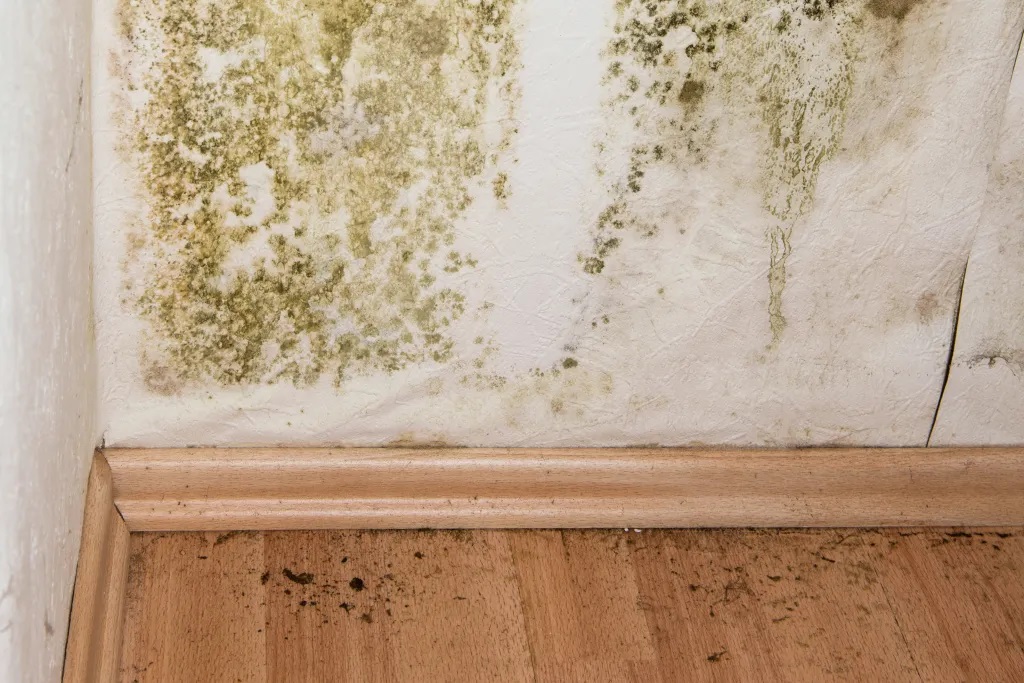
Maintaining a healthy and safe home environment is paramount for the well-being of you and your loved ones. One of the silent invaders that can compromise the air quality and structural integrity of your home is mold. Mold growth is not only unsightly but can also pose significant health risks. Recognizing the early signs of mold infestation is crucial in preventing extensive damage and ensuring a healthy living space. In this comprehensive guide, we will explore the top five signs that indicate you might have mold in your home, empowering you to take proactive measures in safeguarding your environment.
1. Visible Mold Growth
Spotting the Problem Early
The most apparent sign of mold in your home is visible growth in damp or humid areas. Mold thrives in environments with excess moisture, making certain areas of your home more susceptible. Common places to inspect include:
- Bathrooms: Showers, tubs, and sinks are frequent breeding grounds due to constant moisture.
- Kitchens: Areas around sinks, dishwashers, and refrigerators can harbor mold.
- Basements and Attics: Poor ventilation and moisture accumulation make these areas ideal for mold growth.
- Behind Appliances: Washing machines, dryers, and refrigerators can accumulate moisture behind them, leading to hidden mold.
Types of Mold to Watch For
Understanding the different types of mold can help you identify them more effectively:
- Aspergillus: Often found in areas with high humidity like kitchens and bathrooms.
- Cladosporium: Common on fabrics, wood, and inside air conditioning units.
- Stachybotrys Chartarum (Black Mold): Typically found in areas with chronic water damage, such as basements and behind walls.
Insert Image: Examples of different types of mold growth in various household settings.
2. Musty or Damp Odors
The Scent of Silence
A lingering musty or damp smell is a strong indicator of mold presence, even if it’s not immediately visible. Mold releases spores into the air, which contribute to these unpleasant odors. Common sources of musty smells include:
- Peeling Paint or Wallpaper: Moisture penetration can cause materials to degrade, fostering mold growth.
- Stagnant Air Areas: Poor ventilation can trap moisture, creating an ideal environment for mold.
- Water Leaks: Undetected leaks from plumbing or roofing can lead to hidden mold growth.
Why the Odor Matters
Persistent musty odors not only signal mold but also indicate ongoing moisture issues that need addressing to prevent further mold development.
Insert Video: How to identify and address musty odors in your home.
3. Allergy-like Symptoms
Health Implications of Mold Exposure
Exposure to mold spores can trigger a range of allergic reactions, especially in individuals with sensitivities. Common symptoms include:
- Sneezing and Runny Nose: Persistent sneezing and nasal congestion are typical reactions.
- Coughing and Wheezing: Mold spores can irritate the respiratory system, leading to coughing.
- Red or Watery Eyes: Exposure can cause conjunctivitis-like symptoms.
- Skin Irritations: Direct contact with mold can result in rashes or itchy skin.
Vulnerable Populations
Certain groups are more susceptible to mold-related health issues, including:
- Children: Developing respiratory systems are more vulnerable to mold exposure.
- Elderly Individuals: Age-related immune system decline can increase susceptibility.
- People with Respiratory Conditions: Individuals with asthma or allergies are at higher risk.
Insert Image: A family experiencing allergy symptoms at home.
When to Seek Medical Advice
If you or your family members experience persistent allergy-like symptoms, it’s essential to consult a healthcare professional and assess your home for mold.
4. Water Damage and Stains
Visual Clues of Moisture Issues
Water damage is a precursor to mold growth, making it a critical sign to monitor. Look for:
- Water Stains: Discoloration on walls, ceilings, or floors can indicate past or present water leaks.
- Peeling or Bubbling Paint and Wallpaper: Moisture can cause paint and wallpaper to deteriorate, creating an entry point for mold.
- Warped or Buckled Flooring: Persistent moisture can cause wood and laminate flooring to warp, signaling potential mold issues.
Identifying Hidden Water Damage
Sometimes, water damage isn’t immediately visible. Hidden sources include:
- Behind Appliances: Leaks from washing machines or dishwashers can go unnoticed but lead to significant mold growth.
- Under Carpets and Rugs: Moisture trapped beneath flooring materials can foster hidden mold colonies.
- Inside Walls: Plumbing leaks or roof damage can result in mold growth hidden behind drywall or panels.
Addressing Water Damage Promptly
Immediate action is necessary to prevent mold from taking hold:
- Identify and Fix Leaks: Locate the source of moisture and repair it to halt further water intrusion.
- Dry Affected Areas: Use fans, dehumidifiers, and ventilation to dry damp areas thoroughly.
- Dispose of Damaged Materials: Remove and replace materials that are beyond repair to eliminate mold-prone surfaces.
Insert Image: Examples of water damage and mold signs on walls and ceilings.
5. High Humidity Levels
Creating a Breeding Ground for Mold
High indoor humidity levels provide the perfect conditions for mold growth. Maintaining optimal humidity is essential in preventing mold:
- Ideal Humidity Levels: Keep indoor humidity between 30% and 50%.
- Use of Humidifiers and Dehumidifiers: Regulating moisture levels can control humidity and reduce mold risks.
- Proper Ventilation: Ensure adequate airflow in kitchens, bathrooms, and other moisture-prone areas.
Monitoring Humidity in Your Home
Regularly checking humidity levels can help you stay ahead of potential mold issues:
- Hygrometers: Invest in a hygrometer to monitor indoor humidity levels accurately.
- Smart Home Systems: Utilize smart thermostats and home systems that can alert you to high humidity levels.
Tips to Reduce Indoor Humidity
Implementing simple strategies can effectively manage humidity:
- Ventilate After Showers: Always use exhaust fans or open windows to remove excess moisture.
- Fix Leaks Promptly: Address any plumbing or roof leaks immediately to prevent moisture accumulation.
- Use Air Conditioners Wisely: Air conditioners can help reduce indoor humidity when used correctly.
Insert Table: Recommended humidity levels for different areas of the home.
Additional Signs to Watch For
Unexplained Health Issues
Sometimes, mold can cause more severe health problems beyond typical allergy symptoms:
- Persistent Headaches: Continuous exposure to mold can lead to chronic headaches.
- Difficulty Breathing: Mold can exacerbate respiratory conditions, leading to breathing difficulties.
- Fatigue: Constant exposure to mold spores can result in persistent tiredness and lack of energy.
Structural Degradation
Mold not only affects health but can also compromise the structural integrity of your home:
- Weakening of Building Materials: Persistent mold growth can weaken wood, drywall, and other building materials.
- Increased Maintenance Costs: Addressing mold-related damage can be costly and time-consuming.
Insert Image: Structural damage caused by prolonged mold exposure.
Preventing Mold Growth in Your Home
Proactive Measures to Maintain a Mold-Free Environment
Preventing mold is more effective and less costly than remediation. Here are proactive steps to keep mold at bay:
-
- Control Moisture Levels:
– Use dehumidifiers in damp areas. – Ensure proper ventilation in all rooms.
-
- Regular Maintenance:
– Inspect and repair roof leaks promptly. – Maintain plumbing systems to prevent leaks.
-
- Improve Air Circulation:
– Use fans to enhance airflow. – Keep furniture away from walls to allow air movement.
Routine Inspections
Regular inspections can help detect mold early:
- Seasonal Checks: Inspect your home for moisture and mold signs during spring and fall.
- Professional Inspections: Consider hiring mold remediation experts for thorough inspections, especially after water damage incidents.
Insert Video: Step-by-step guide to conducting a mold inspection in your home.
What to Do If You Discover Mold
Immediate Actions to Take
Discovering mold requires swift action to prevent further spread:
-
- Protect Yourself:
– Wear gloves, masks, and protective clothing.
-
- Contain the Area:
– Close doors and seal off the affected area to prevent mold spores from spreading.
-
- Remove Mold-Infested Materials:
– Safely dispose of porous materials like drywall and carpeting that are beyond salvage.
-
- Clean and Disinfect:
– Use appropriate cleaning agents to remove mold from non-porous surfaces.
When to Seek Professional Help
For extensive mold infestations, professional remediation is essential:
- Large Areas Affected: If mold covers more than 10 square feet, professional intervention is recommended.
- Hidden Mold: Mold behind walls or under floors requires specialized equipment and expertise to remove.
- Health Concerns: If family members are experiencing severe allergic reactions or respiratory issues.
Benefits of Professional Mold Remediation
Ensuring Complete Mold Removal
Professional services offer thorough mold removal, addressing both visible and hidden mold growth:
- Advanced Cleaning Techniques: Utilize specialized equipment to eliminate mold effectively.
- Preventing Recurrence: Professionals identify and mitigate moisture sources to prevent future mold issues.
- Health Protection: Ensuring that mold is completely removed safeguards the health of your household.
Peace of Mind
Hiring experts provides assurance that your home is free from mold, allowing you to breathe easier and live healthier.
Conclusion
Mold in the home is a serious issue that demands immediate attention. By being vigilant and recognizing the top signs of mold presence—such as visible growth, musty odors, allergy-like symptoms, water damage, and high humidity—you can take proactive steps to protect your health and preserve the integrity of your home. Remember, prevention is always better than cure. Implementing moisture control strategies, maintaining proper ventilation, and conducting regular inspections are key to a mold-free living environment.
If you suspect mold in your home or have identified any of the signs discussed, do not hesitate to seek professional assistance. At TampaBayMold.net, we specialize in comprehensive mold inspections and effective remediation services tailored to your specific needs. Our team of experts is dedicated to ensuring your home remains a safe and healthy sanctuary.
Take Action Today!
Don’t let mold compromise your home and health. CALL 941-877-6961 now for a thorough mold inspection and let our professionals help you restore a mold-free environment.
By staying informed and proactive, you can effectively manage and prevent mold growth, ensuring a safe and comfortable home for you and your family.