
Aspergillus Mold
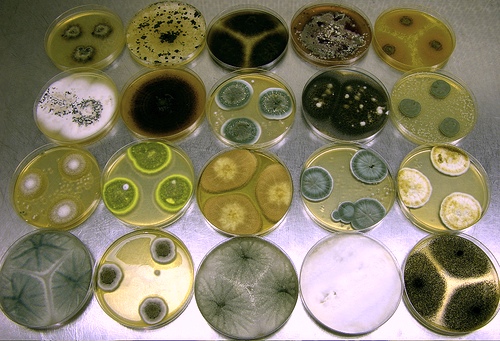
Aspergillus is a genus of molds that is coomonly found both indoors and outdoors. While it exists in various forms, some species are known to produce toxic compounds called mycotoxins, which can pose risks to human health.
Understanding Aspergillus Mold
Aspergillus is a genus comprising several hundred species of mold, with some of the most prevalent being Aspergillus fumigatus, Aspergillus flavus, and Aspergillus niger. These molds thrive in environments rich in organic material and moisture, making buildings with poor ventilation, high humidity, or water damage prime targets for their growth.
Key Characteristics of Aspergillus Mold:
- Appearance: Typically appears as green, yellow, or black spots depending on the species.
- Growth Conditions: Prefers warm, damp environments but can adapt to various conditions.
- Reproduction: Spreads through airborne spores, making it easy to disseminate over large areas.
Health Implications of Aspergillus Mold
Exposure to Aspergillus mold can lead to a range of health issues, particularly for individuals with compromised immune systems or pre-existing respiratory conditions. The severity of symptoms often depends on the extent of exposure and the individual’s sensitivity.
Health Risks Associated with Aspergillus Mold:
* Allergic Reactions:
- – Sneezing, runny or stuffy nose. – Itchy eyes, skin rashes, and throat irritation.
* Respiratory Infections:
– Chronic bronchitis or pneumonia, especially in immunocompromised individuals.
* Aspergillosis:
- – A more severe condition where the mold invades body tissues, potentially leading to life-threatening complications.
Identifying Aspergillus Mold in Your Environment
Early detection of Aspergillus mold is crucial in preventing its spread and mitigating health risks. Recognizing the signs of its presence can help in taking timely action.
Signs of Aspergillus Mold Presence:
- Visible Mold Growth: Presence of green, yellow, or black spots on walls, ceilings, or other surfaces.
- Musty Odors: Persistent musty smells indicating mold growth even if not visibly apparent.
- Water Damage Indicators: Stains, peeling paint, or warped surfaces suggesting moisture intrusion.
Methods for Detection:
- Visual Inspection: Regularly checking for visible signs of mold in vulnerable areas such as bathrooms, kitchens, and basements.
- Air Quality Testing: Professional assessments to measure airborne mold spore levels.
- Surface Sampling: Collecting samples from surfaces to identify mold species present.
Preventing Aspergillus Mold Growth
Prevention is the cornerstone of effective mold management. By controlling the environmental factors that favor mold growth, you can significantly reduce the risk of Aspergillus proliferation.
Effective Prevention Strategies:
-
-
- Control Humidity Levels:
– Maintain indoor humidity between 30-50%. – Use dehumidifiers in damp areas.
-
-
-
- Ensure Proper Ventilation:
– Install exhaust fans in bathrooms and kitchens. – Use ventilation systems in basements and attics.
-
-
-
- Fix Leaks Promptly:
– Repair any water leaks in roofs, windows, or pipes immediately.
-
-
-
- Use Mold-Resistant Products:
– Incorporate mold-resistant drywall and paints in construction or renovation projects.
-
-
-
- Regular Cleaning and Maintenance:
– Clean and dry areas prone to moisture regularly. – Remove any visible mold promptly using appropriate cleaning agents.
-
Frequently Asked Questions
What is Aspergillus Mold?
Aspergillus Mold refers to a group of molds belonging to the Aspergillus genus. These molds are commonly found in both indoor and outdoor environments.
Where can Aspergillus Mold be found?
Aspergillus Mold can be found in a variety of locations, including damp areas such as bathrooms, kitchens, basements, and outdoor environments with decaying organic matter.
How does Aspergillus Mold affect human health?
Exposure to Aspergillus Mold can lead to various health issues, including respiratory problems, allergies, asthma attacks, and in severe cases, infections in individuals with weakened immune systems.
Can Aspergillus Mold produce mycotoxins?
Yes, certain species of Aspergillus Mold have the ability to produce mycotoxins. These toxic compounds can be harmful to human health when inhaled or ingested.
What are the signs of Aspergillus Mold infestation?
Signs of Aspergillus Mold infestation include a musty odor, visible mold growth, discoloration on surfaces, and the presence of mold spores in the air.
How can I prevent Aspergillus Mold growth in my home?
To prevent Aspergillus Mold growth, it is important to control moisture levels in your home, ensure proper ventilation, fix any leaks or water damage promptly, and regularly clean and maintain areas prone to mold growth.
How should I handle Aspergillus Mold if I find it in my home?
If you find Aspergillus Mold in your home, it is recommended to seek professional help for proper identification, removal, and remediation. Avoid disturbing the mold to prevent the release of spores and potential health risks.
Conclusion
Aspergillus Mold is a common mold genus found both indoors and outdoors. Certain species of Aspergillus Mold can produce mycotoxins, which can pose risks to human health. It is important to be aware of the signs of Aspergillus Mold infestation and take necessary precautions to prevent its growth. If you suspect Aspergillus Mold in your home, seek professional assistance for proper handling and remediation to protect your health and well-being.